How to Simplify Fractions: GCF Method, Steps, and Checks
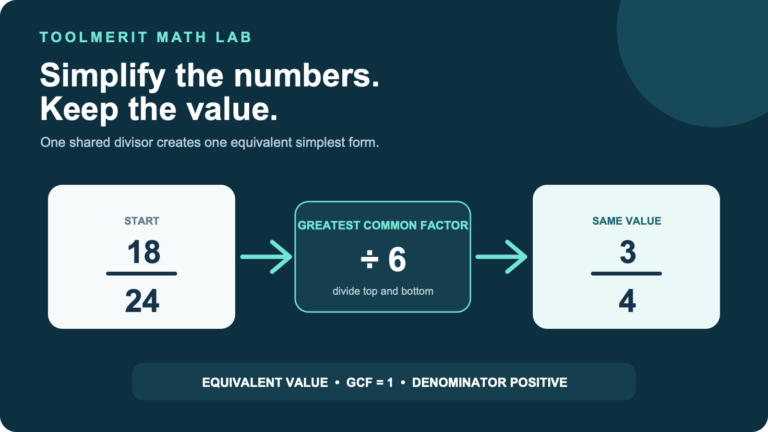
A complete numerical-fraction method using the greatest common factor, a repeated-factor fallback, boundary cases, mistake repairs, and checked practice.
Read articleIndependent software guidance for creators and small teams.
 ToolMerit
ARTICLE COLLECTION
Existing measurement, language, and general-reference answers. Software workflows are collected separately in ToolMerit’s main guides.
ARTICLES IN THIS COLLECTION
A complete numerical-fraction method using the greatest common factor, a repeated-factor fallback, boundary cases, mistake repairs, and checked practice.
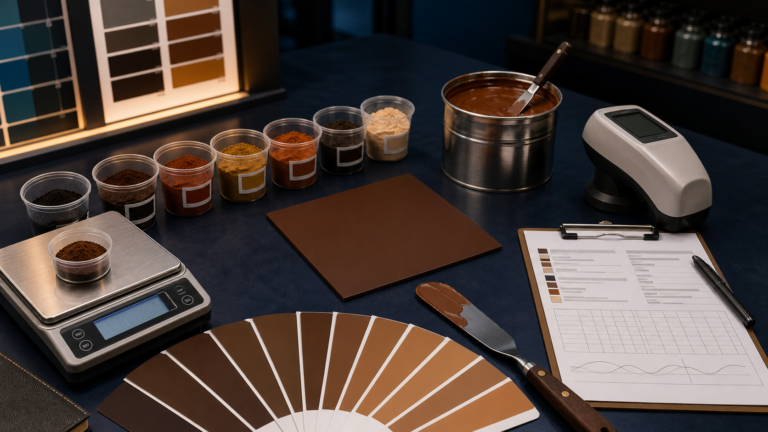
Read articleMove beyond a one-time color mix: specify the brown, test weighed variants, approve the cured sample under controlled light, scale the formula, and retain production evidence.
Read articleA precise visual guide to one metre, including metric and U.S. customary conversions, metre-versus-yard difference, formulas, examples and practical measurement checks.
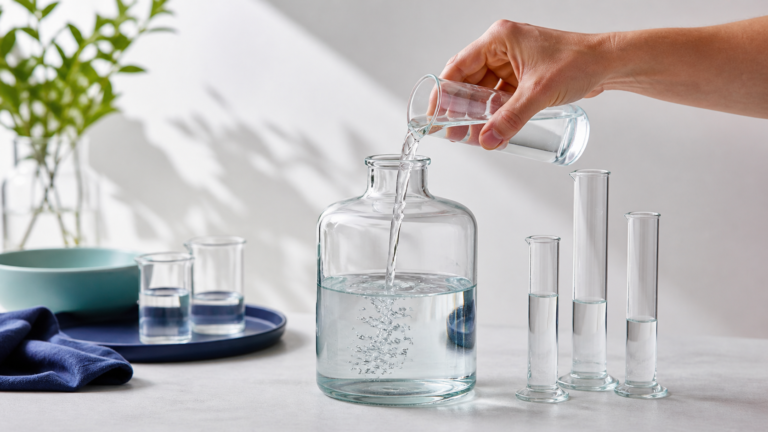
Read articleThe exact 1 L = 1,000 mL relationship, two-way formulas, common values, cubic-volume explanation, practical measurement checks and safety boundaries.
Read articleA batch-oriented fluid-ounce conversion workflow with spreadsheet formulas, explicit system fields, rounding control, reconciliation checks and a weight-ounce stop rule.
Read articleA shape-first method for calculating volume, choosing the correct boundary, converting cubic units, measuring irregular objects, and catching common errors.
Read articleA pigment-specific answer to making blue, with palette selection, controlled cyan-magenta tests, adjustment rules, failure repairs, and material cautions.
Read articleAn audit-ready field workflow for measuring square footage, decomposing irregular spaces, separating project area from purchase quantity, and avoiding property-reporting mistakes.
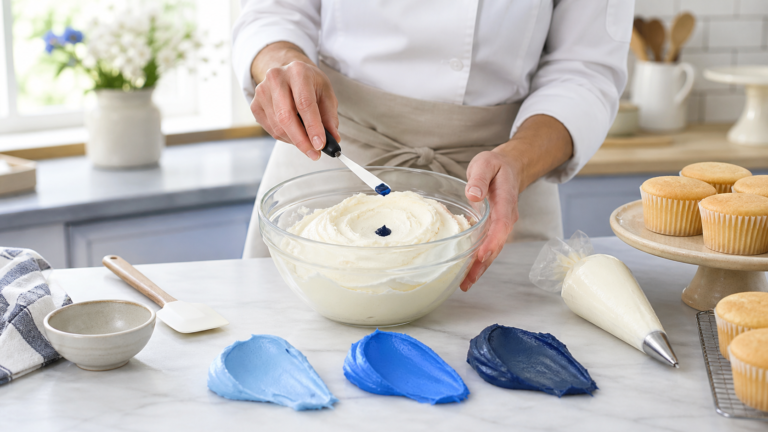
Read articleA food-specific guide to making reliable blue frosting and icing with an approved blue colorant, controlled samples, shade modifiers, rest time, and batch records.
Read articleBlue is not one universal ingredient. This guide explains how light, materials, human vision and viewing conditions combine to create a blue appearance.
Read articleA practical question-building guide for choosing what do, what does, what did, or a form with no extra do—and fixing the errors each choice creates.
Read articleA side-by-side guide to what I and what do I, including embedded questions, noun-like what clauses, wh-clefts, punctuation and common repairs.
Read articleDividend yield compares an annual dividend with today's share price. Reproduce the numerator, date the price, and test the payment before relying on it.
Read articleA four-route identification system for unknown text, interface icons, photographed objects, and sounds—with evidence and confidence rules.
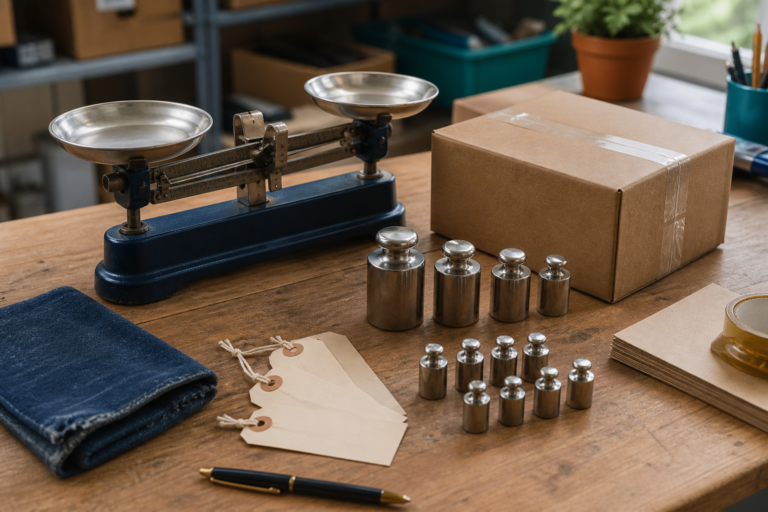
Read articleOne pound contains exactly 16 avoirdupois ounces. Use the right formula for total ounces, decimal pounds, mixed notation, or spreadsheet data.
Read articleA noun-first method for building existence questions with is there, are there, a, an, or any—plus clear answers and search-query repairs.
Read articleOne fluid ounce can appear as 29.57, 30, or 28.41 mL. The correct number depends on U.S. conversion, labeling rules, rounding, or Imperial units.
Read articleUse orange and blue for a controllable paint mix, direct color values for screens, and food-safe gel for icing—then correct in small measured moves.
Read articleBROWSE BY TOPIC